£4.99 or £49.99? The Truth About Buying Skin Corrector Serums Online

Photo: August Macke, Public domain, via Wikimedia Commons
The Wild West of Skincare Retail
Scroll Instagram for ten minutes and you'll see them: dramatic before-and-after shots, countdown timers, and serums promising to banish skin tags and blemishes overnight. Some are sold by established UK retailers. Others come from who-knows-where, shipped direct from an anonymous warehouse.
As a site that sells skin correction products ourselves, we'll say something you might not expect: price alone tells you almost nothing. A cheap product isn't automatically dangerous, and an expensive one isn't automatically good. What matters is what's actually in the bottle, who's standing behind it, and whether it's legally allowed to be sold to you at all.
Why the High Street Sets the Baseline
There's a reason Boots, Superdrug and your local pharmacy feel 'safe'. Products on their shelves sit within a regulatory framework — ingredients are assessed, labelling meets UK standards, and if something goes wrong, there's a complaints trail that leads somewhere.
Direct-to-consumer brands can absolutely meet the same standards. But the online marketplace also lets in products that never would've passed a pharmacy buyer's scrutiny. Unregulated imports may contain undeclared actives, incorrect concentrations, or ingredients banned in the UK. If a listing won't tell you the full ingredient list, that silence is your answer.
Reading an Ingredient List Like an Adult
Ingredients are usually listed in descending order of concentration. A few things worth knowing:
- Active ingredients near the top mean the product contains meaningful amounts. If the hero ingredient is listed after the preservatives, it's largely marketing.
- Unpronounceable isn't automatically bad. Chemical-sounding names are often just the scientific name for perfectly ordinary compounds.
- 'Natural' means nothing legally. Belladonna is natural. So is arsenic.
- Watch for proprietary blends that hide individual amounts behind a fancy name.
Red Flags That Should Stop Your Scroll
- Before/after photos that look too dramatic or suspiciously identical in lighting
- No UK business address or company registration anywhere on the site
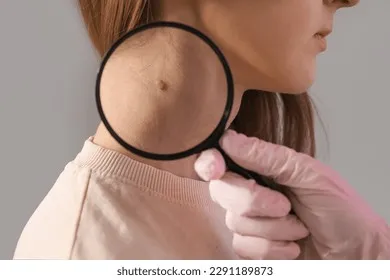
- 'Cures', 'removes moles permanently' or medical claims about changing moles — no legitimate cosmetic product should be marketed as a treatment for moles, full stop
- Reviews only on the seller's own site
- Payment by bank transfer only
Your Pre-Purchase Checklist
Copy this into your notes app:
- Is there a named UK company with a registered address?
- Is the full ingredient list published?
- Does the product make cosmetic claims (appearance) rather than medical ones (treating moles, curing conditions)?
- Are there independent reviews off the seller's own platform?
- Is there a clear returns policy and customer service contact?
- If buying for anything beyond a simple skin tag or cosmetic blemish, have you spoken to a pharmacist or GP?
Six ticks, and you can shop with reasonable confidence. Fewer than that, and your money's safer in your pocket.
Our Honest Position
We sell serums, so yes — we'd like you to buy one. But we'd rather you buy the right one, from us or anyone else, because a product that works for a genuine cosmetic concern builds trust. A product that burns, scars or misleads destroys it.
The bargain-hunting instinct is very British, and it's not wrong. Just aim it wisely: at overpriced shipping, not at regulatory shortcuts. Your skin is the one organ you wear in public every day. Shop for it accordingly.