The Great Bathroom Shelf Audit: 7 Clues Your Skincare Routine Is Working Against You
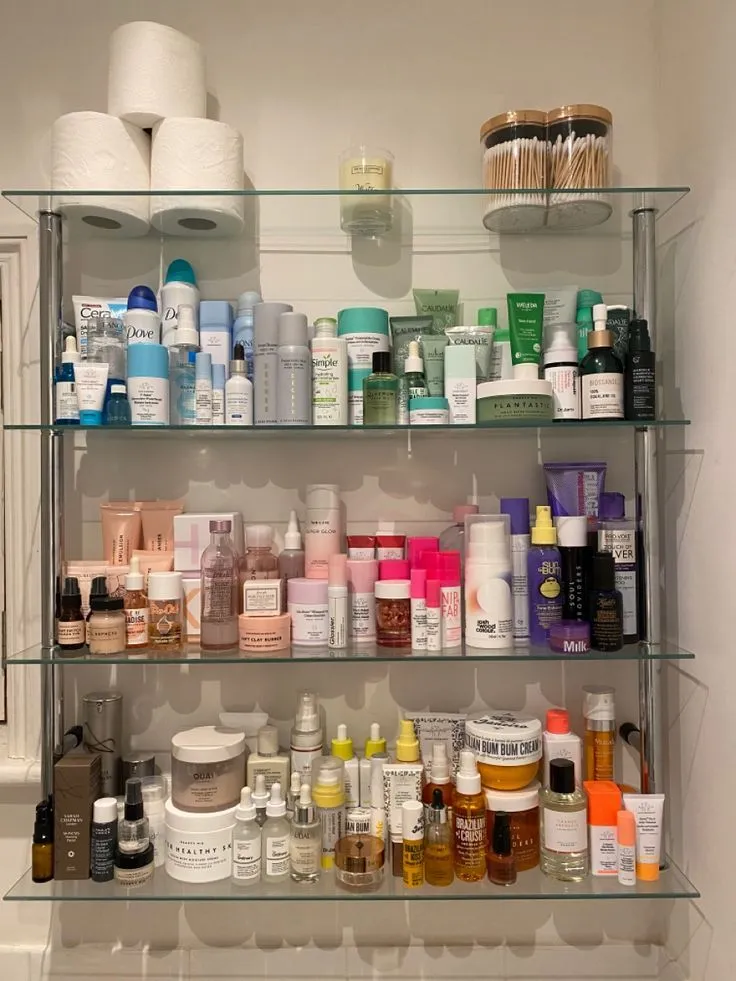
Photo: cluttered bathroom shelf with too many skincare products and serum bottles, via i.pinimg.com
Let's be honest: most of us didn't plan our skincare routines so much as accumulate them. A serum here, a trendy acid there, a spot treatment that was meant for something else entirely — and suddenly the bathroom shelf looks like a small pharmacy and your face feels like it's been through a spin cycle.
If you're using targeted correction products — the kind aimed at skin tags, blemishes, or uneven texture — the risk of overload is even higher, because these formulas tend to be active by design. Here are seven signs your routine is fighting your skin rather than fixing it, along with what to do about each one.
1. Stinging That Outstays Its Welcome
A brief tingle when you apply an active product? Normal. Skin that stings for twenty minutes afterwards, or flares up when you splash water on it? That's your barrier waving a white flag.
The fix: Strip back to a gentle cleanser, a plain moisturiser, and SPF for at least a fortnight. Reintroduce one active product at a time, every other day, once the sting has gone.
2. Redness That Lives Exactly Where You Apply
Irritation in a neat little patch that maps perfectly to where you've been dabbing your correction serum isn't a coincidence — it's a dosage problem. More isn't faster; it's just more.
The fix: Follow the product's instructions to the letter, resist the urge to double-apply, and give the area breathing room between sessions. If redness persists even at correct dosage, that's a GP conversation, not a skincare one.
3. You're Mixing Actives That Don't Get On
Some ingredients are like certain relatives at a wedding — fine separately, chaos together. Strong exfoliating acids layered under retinoids, or multiple exfoliants in one evening, is a classic recipe for a compromised barrier.
The fix: Keep a simple rule: one heavy-hitter per routine, morning or night. If you use an exfoliating acid in the evening, your morning should be hydration and sunscreen, not another round.
4. Your Skin Is Flaking Like a Croissant
Dry, tight, flaky patches — especially around treated areas — usually mean you've exfoliated past the point of usefulness. You can't correct skin that's busy trying to repair itself.
The fix: Pause all exfoliating and active products. Bring in a ceramide or hyaluronic acid moisturiser, and don't resume actives until flaking has fully stopped. When you restart, halve the frequency you were using before.
5. Breakouts in New Places
Spot treatments and targeted serums migrating across your pillow or fingers can cause breakouts somewhere completely unrelated. If spots are appearing along your jawline or hairline after you started a new product, look at how you're applying it — and how you're washing it off.
The fix: Apply targeted products with a clean cotton bud where possible, wash hands thoroughly afterwards, and change pillowcases more often than feels reasonable while you're using actives.
6. You're Using Six Products That All Promise the Same Thing
A texture serum, a brightening serum, a blemish serum, and a correction serum often share overlapping ingredients. Stacking them doesn't quadruple the results — it quadruples the irritation risk while doing roughly the same job.
The fix: Audit the shelf. Pick the product that addresses your primary concern and park the rest. If after eight weeks it's not delivering, swap it out — don't add to it.
7. Your Skin Looks Worse in Photos Than Three Months Ago
The most damning sign of all. If you've been diligent for a couple of months and your skin is redder, more inflamed, or more uneven than when you began, the routine is the variable that needs interrogating.
The fix: Take a proper break — two weeks of cleanser, moisturiser, SPF, and nothing else. Then rebuild slowly, one product at a time, giving each at least a fortnight before judging it. If things don't improve after the reset, a GP or pharmacist can help you figure out whether something else is going on.
The One-Minute Shelf Test
Before your next order, ask three questions of anything on the shelf: Do I know what this is for? Do I know how it interacts with what I used last night? Has my skin improved since I started it? Any "no" means the product has earned a pause, not a repurchase.
Good skincare correction is less about what you add and more about what you're willing to leave out. Your skin doesn't need a pharmacy — it needs a plan, a bit of patience, and the occasional day off.