That Glow-Up Might Be a Lie: How Before/After Photos Fool UK Shoppers
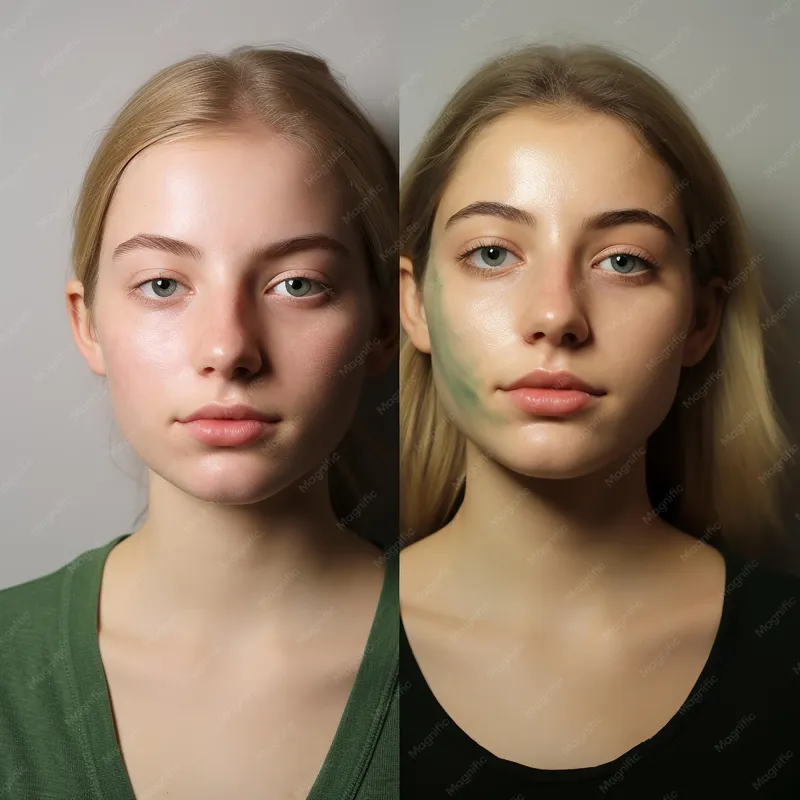
Photo: woman comparing before and after skincare photos on smartphone, via img.freepik.com
There's a particular type of image you've scrolled past a thousand times: a dull, blotchy 'before' on the left, a luminous 'after' on the right, and an arrow pointing at the difference like it's evidence in a court case.
It isn't evidence. It's often theatre. And in the UK, sometimes it's actually illegal.
The Lighting Is Doing the Heavy Lifting
You don't need Photoshop to fake a transformation. You just need a photographer who understands light.
Shooting the 'before' with overhead lighting exaggerates every pore and shadow. Shoot the 'after' with a soft ring light, a slight breeze and a natural smile, and the same face looks dramatically improved — same skin, different physics. Add a subtle change in angle (chin down for 'before', chin up for 'after') and you can conjure a jawline out of thin air.
Researchers who've studied cosmetic before/after imagery consistently find that lighting, pose and facial expression account for a large share of the visible 'improvement' — before a single drop of product is involved.
Then There's the Digital Touch
Where lighting ends, editing begins. Common techniques include:
- Selective smoothing on the after image, dialled down just enough to escape casual notice
- Saturation tweaks that drain redness from the 'before' shot or pump warmth into the 'after'
- Cropping tricks that hide moles, tags or blemishes entirely rather than 'removing' them
- AI generation, increasingly used to invent faces that never existed at all
And a confession from the industry's own playbook: many stock transformation photos are licensed images, meaning the same 'stunning result' can appear under a dozen different product names — sometimes on competing brands.
What UK Law Actually Says
Here's the part most shoppers don't know: the UK has teeth on this.
The CAP Code, enforced by the Advertising Standards Authority, requires that marketing claims must be backed by robust evidence and that imagery must not mislead. The ASA has repeatedly banned skincare and cosmetics ads featuring heavily retouched before/after photos precisely because they exaggerated what the product could achieve.
Since 2024, the Digital Markets, Competition and Consumers Act has strengthened the CMA's powers against fake reviews and misleading practices online — which includes fabricated testimonials and deceptive imagery used to sell.
Meanwhile, the ASA has also flagged the broader problem of misleading 'influencer' content, where paid promotion isn't clearly labelled. If a TikTok 'unboxing' is actually an ad, that's an issue the regulator cares about.
Translation: if a transformation photo looks too good to be true, the law is often on your side — but only if you notice the trick first.
Five Questions to Ask Any Before/After Photo
Before you hand over your card details, run the image through this checklist:
- Is the lighting identical on both sides? If not, the comparison is worthless.
- Are the angles, distance and expression matched? Slight shifts manufacture results.
- Is there a time frame? 'Results in 8 weeks' with no dates shown is a red flag.
- Is the skin texture real? Zoom in. Plastic-smooth skin with visible eyelashes and pores missing is a tell for retouching or AI.
- Does the same photo appear elsewhere? A reverse image search takes ten seconds and has humbled more than one 'miracle' brand.
The Boring Truth About What Works
Real cosmetic change is slow, modest and individual. Dermatological evidence for topical products typically shows gradual improvement over weeks to months — not the overnight reversal implied by split-screen imagery.
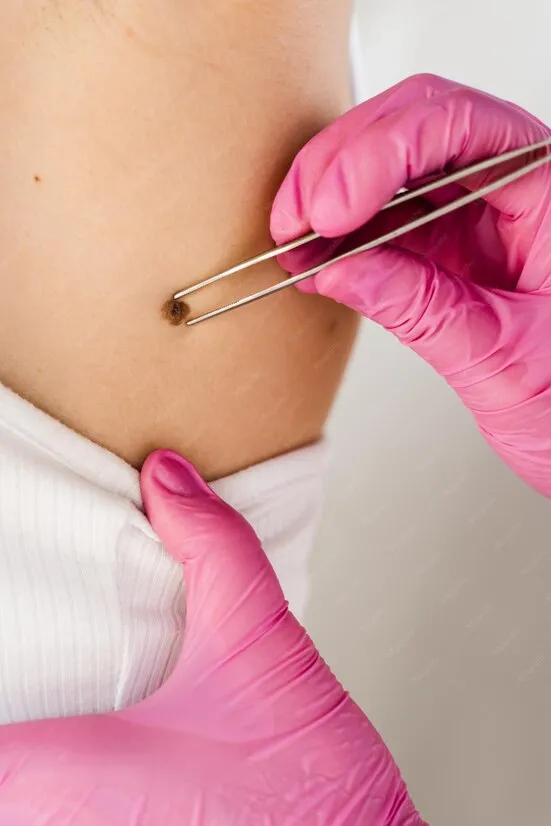
For anything involving moles, skin tags or changing lesions, no photo-based claim matters at all, because removal of that kind of growth belongs with a medical professional, not an e-commerce checkout.
So enjoy the marketing, sure. Just remember: your eyes are being managed. Your money shouldn't be.