Garlic, Floss and TikTok: The DIY Mole Treatments Dermatologists Beg You to Bin
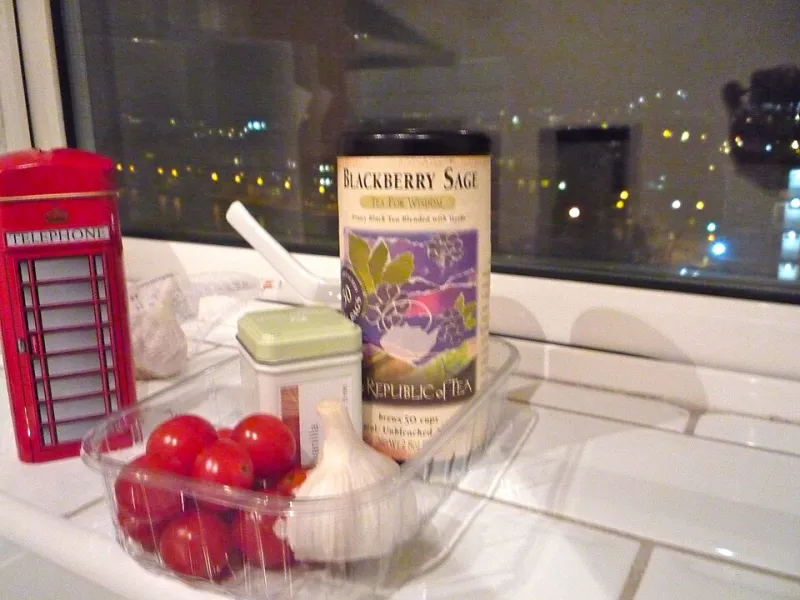
Photo: William J Sisti from Morristown, NJ, USA, CC BY-SA 2.0, via Wikimedia Commons
Scroll long enough on TikTok and you'll find someone promising that a clove of garlic, a plaster and 'seven days' will take a mole clean off. It's cheap. It's in your kitchen. And according to every dermatologist we've spoken to, it's a terrible idea.
Yet the DIY instinct runs deep in Britain. If a cream costs a tenner and a garlic bulb costs 40p, the kitchen cupboard will always tempt somebody. So let's talk properly about what's actually going on when you smear household remedies onto your skin.
The Kitchen Cupboard Hit List
A few offenders come up again and again:
Garlic paste. There's a compound in garlic — allicin — that genuinely can burn tissue. That's the whole 'logic': chemically blister the mole until it drops off. The problem is you can't control a garlic burn. Dermatologists have reported cases of chemical burns and permanent scarring from people leaving it on overnight under a plaster.
Tea tree oil. The gentler cousin of the DIY world, and the one most people consider harmless. Used neat on skin tags, it frequently causes contact dermatitis — red, angry, itchy skin — and it has never been shown to remove a mole. You get the irritation without the result.
Apple cider vinegar. Essentially an acid burn in a bottle. Same story: uncontrolled tissue damage, often to healthy skin around the mark, sometimes leaving a scar bigger than the thing you were trying to remove.
Dental floss or thread. The old 'tie it off until it falls off' trick for skin tags. Cutting off blood supply to a lump of skin you haven't identified — without any diagnosis — risks infection, and worse, it means nobody's ever confirmed what the lump actually was.
Why Dermatologists Lose Sleep Over This
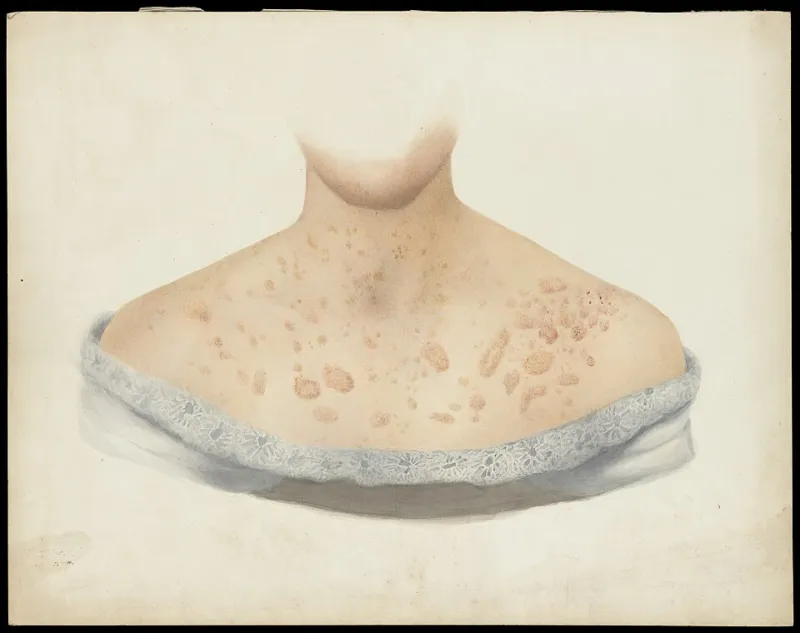
Here's the uncomfortable truth: not every dark spot is a benign mole or a harmless skin tag. Occasionally, it's something that needed a professional eye months ago.
When you burn, pickle or strangle a lesion at home, two things can go wrong. First, you can destroy the evidence — if a lesion needed checking, there's now a scab where it used to be. Second, you can delay a diagnosis that mattered. Skin cancer caught early is very treatable; skin cancer caught after six months of garlic paste is a different conversation.
And even in the best case, where the spot genuinely was harmless? DIY removal is uncontrolled. No precision, no sterile environment, no aftercare. The scar you're left with can be far worse than the mark itself.
What Actually Belongs Near a Mole
Nobody's saying you can't look after your skin at home. It's about picking your battles.
- Sunscreen, every day, on and around moles. UV exposure is the one thing that genuinely changes moles over time.
- Gentle cleansers and moisturisers — keep the skin healthy and let you spot changes quickly.
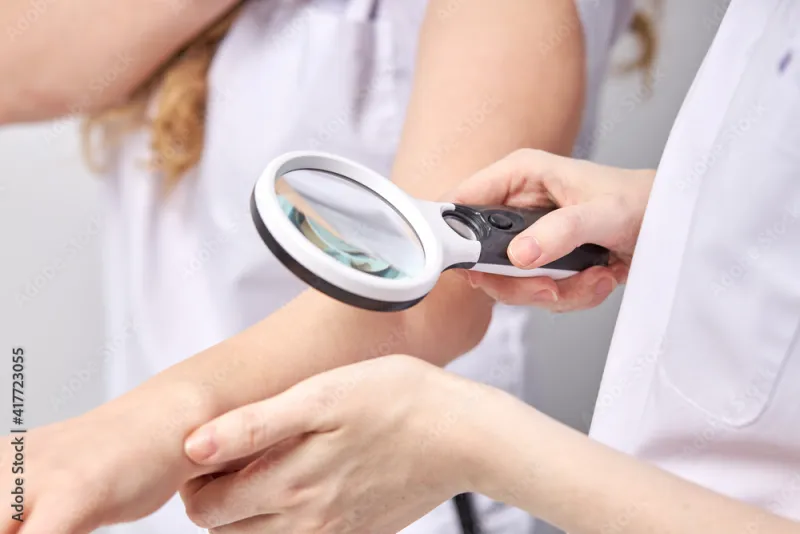
- A proper diagnosis first. Any mole that's changed in size, shape or colour, bleeds, itches or looks different from its neighbours needs a GP or pharmacist look, not a home remedy.
For skin tags specifically, some people choose dedicated skin corrector serums as a gentler route once they're confident the tag is exactly that — a tag. Formulated products at least know what they're doing to your skin; a garlic clove doesn't.
The Bottom Line
Your nan's remedies were invented before anyone could photograph a mole and track changes on their phone. You have better tools than she did — use them. Save the garlic for the spaghetti bolognese, and if a mark on your skin is bothering you, get it looked at before you get it looked after.