Four Seasons, One Skin: What Your Moles and Marks Do All Year Round
Photo: Phantomassassinbb2811, CC BY-SA 4.0, via Wikimedia Commons
Ever looked at a mole in October and thought it seemed darker than it did on your summer holiday? You're not imagining it. Skin is a living, changing organ, and the British calendar — with its grey winters, sneaky spring sunshine and one scorching fortnight in August — leaves fingerprints all over it.
Here's how your skin actually behaves across the year, and which changes deserve a second glance.
Winter: The Fading Season
From November through February, most of us see barely any daylight during the working week. Low UV means freckles fade, sun-induced pigmentation settles down, and moles often appear slightly lighter or flatter.
What's normal in winter:
- Dryness and flaking — central heating strips moisture, which can make skin tags look paler or irritated
- Moles appearing less prominent as surrounding skin loses its tan
- Chapped, tight patches on cheeks and hands
What's not normal: a mole that keeps changing even when the sun isn't a factor. Winter is actually a brilliant time to photograph your moles, because you're seeing them at their most stable baseline. Any growth, itching or colour shift during the darkest months is worth a GP appointment.
Spring: The Wake-Up Call
March to May is when UK skin starts waking up. UV levels climb faster than most people realise — you can burn in April in Manchester, let alone on a bank holiday in Brighton.
Expect:
- Freckles reappearing across noses and cheeks
- Sunspots or 'liver spots' becoming more visible on hands and forearms
- Skin tags occasionally catching on sleeves as wardrobes change
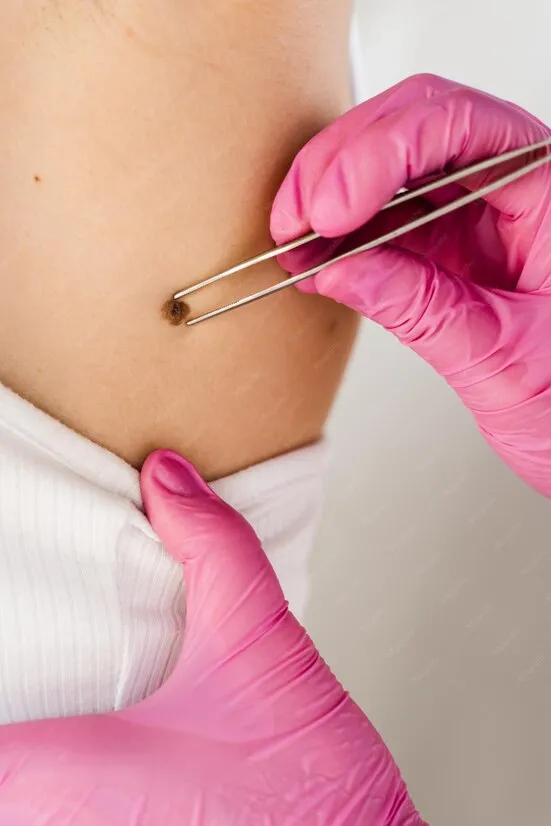
Spring is also when many people first notice things that were hidden under jumpers all winter. Don't panic — but do check. The ABCDE rule (Asymmetry, Border, Colour variation, Diameter over 6mm, Evolving) applies all year, not just in summer.
Summer: Peak Visibility, Peak Vigilance
June to August is when your skin is at its most photogenic and most vulnerable. Increased sun exposure can:
- Darken existing moles temporarily
- Trigger new freckles and sunspots
- Make skin tags more prone to irritation through sweating and friction
Autumn: The Audit Window
September and October are underrated for skin checks. The tan is fading, the sun damage is settling, and you've got a clear picture of what the summer actually did. This is the ideal moment to compare photos, run your fingers over familiar marks, and flag anything that's grown or changed shape.
The Year-Round Habits That Matter
- Photograph moles every three months — same lighting, same distance
- Wear SPF daily from April to September, even when it's cloudy
- Don't ignore friction — skin tags under waistbands and bra straps need gentle care
- See a GP about anything that itches, bleeds, or changes, regardless of season
Your skin tells a story twelve months a year. Watching it through the seasons — rather than only checking after a holiday — is the single easiest way to catch genuine changes early. Clearer skin starts here, but so does smarter skin.