Told It's 'Just Cosmetic'? The Unofficial Rulebook Behind NHS Skin Tag and Mole Refusals
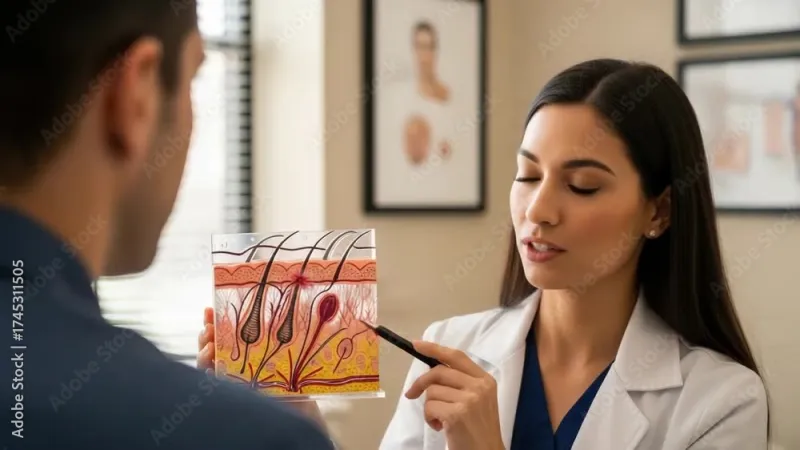
Photo: GP consultation skin examination UK doctor patient, via as2.ftcdn.net
You finally booked the appointment. You plucked up the courage, described the skin tag on your neck or the mole on your cheek, and asked — politely — if something could be done. Ten minutes later you were walking out with a leaflet and the words 'cosmetic reasons' ringing in your ears.
If that sounds familiar, you're far from alone. Across the UK, Clinical Commissioning Groups (and now Integrated Care Boards) have quietly tightened the rules on what dermatology the NHS will fund. Benign lesion removal sits firmly in the 'not usually' pile. But understanding why — and knowing your genuine alternatives — puts you back in control.
What 'Cosmetic Reasons' Actually Means in Practice
Here's the thing: 'cosmetic' isn't a medical judgement about your skin. It's a funding classification. If a lesion is assessed as benign — meaning it poses no threat to your health — then removing it becomes, in NHS terms, a matter of preference rather than necessity.
That triage decision typically hinges on a few factors:
- Is it changing? A mole that's stable in size, shape and colour is far less likely to earn a referral than one that's evolved.
- Is it causing physical problems? Catching on clothing, bleeding when shaved, or sitting somewhere it gets repeatedly knocked can shift the classification.
- Where is it? Lesions that interfere with function — an eyelid tag affecting vision, say — are treated differently.
The frustrating part? A skin tag catching on your zip every morning doesn't feel 'cosmetic' to you. But unless it meets specific clinical thresholds, the referral likely won't happen.
The Waiting List Reality Check
Even when a referral is justified, dermatology waiting lists in England have stretched well beyond the 18-week target in many trusts. For something benign and non-urgent, you can be looking at a year or more — and some ICBs have suspended routine benign lesion removal altogether.
It's not that your GP doesn't care. It's that the system has drawn a line, and benign skin sits on the wrong side of it.
Your Realistic Options, Priced Honestly
So where does that leave you? Broadly, three routes:
1. Private dermatology clinics. A private consultation typically runs £150–£300, with removal costing extra — anywhere from £200 to £500+ depending on the method (cryotherapy, shave excision, laser). Thorough, medically supervised, and not cheap.
2. High street and aesthetic clinics. Some offer skin tag removal from around £100–£250 per session. Quality varies enormously, so check who's actually performing the procedure and what their medical credentials are.
3. Topical correction serums. Products like SkinCell Advanced occupy the middle ground — a fraction of the clinic cost, applied at home over weeks rather than minutes. They suit benign tags and blemishes where you're confident there's nothing sinister going on. They're not a substitute for diagnosis, but for the right lesion, they're a sensible first step.
When You Should Push Back
Don't accept 'cosmetic' without question if you've noticed any of the following:
- A mole changing in size, shape, colour or texture
- Itching, bleeding or crusting that won't settle
- A new lesion appearing after the age of 40
- Anything with an irregular border or uneven colouring
Say the words: 'I'd like this assessed for reassurance.' That phrasing matters. GPs can refer on the basis of patient concern about possible skin cancer — and frankly, if you're worried, a proper examination is exactly what the NHS is there for.
The Bottom Line
The 'cosmetic reasons' refusal isn't a door slammed shut — it's a signpost. It tells you the NHS won't fund it, not that nothing can be done. Weigh up your budget, be honest about whether the lesion is changing, and choose the route that matches. Your skin, your call — just make it an informed one.