Ten Weeks Before Take-Off: The Sensible Way to Sort Your Skin Before the Summer Holiday
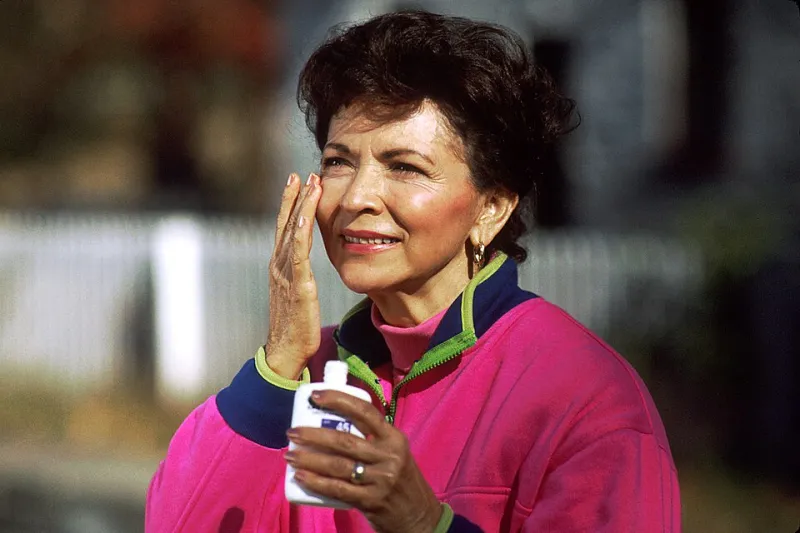
Photo: Bill Branson (photographer), Public domain, via Wikimedia Commons
There's a particular kind of panic that sets in around April in Britain. The flights are booked, the swimwear has been tried on under the living room lamp, and suddenly that skin tag on your neck — which you've happily ignored since last August — becomes the most urgent problem in the kingdom. Search data for mole and skin-tag removal follows this pattern religiously: a slow trickle all winter, then a stampede as the sun makes its first proper appearance.
I have some sympathy for the stampede. But as someone who has watched this cycle repeat annually, let me offer an unpopular opinion: the 'sort it the week before Benidorm' approach is the single worst way to treat your skin.
Why Last-Minute Treatment Backfires
Treated skin — whether a mole has been checked and monitored, or a tag has been treated with a serum — needs time. Skin that's healing is skin that's vulnerable, and the first thing you'll meet at the airport is a window seat with blazing UV streaming through it.
Sun exposure on freshly treated skin can cause irritation, uneven pigmentation and, in the case of moles, can make any follow-up assessment harder because tan and inflammation change how the skin looks. If your plan is 'treat it Friday, fly Monday', your plan is really 'treat it, then compromise the result'.
The Ten-Week Timeline That Actually Works
If you want skin sorted before the summer, count backwards from your departure date:
Ten weeks out: Book your GP appointment or start your at-home serum course. This gives small tags time to respond to topical treatment and, importantly, time for any healing to fully settle.
Six to eight weeks out: If anything needed a professional look — anything raised, changing or in a tricky spot — this is when an in-clinic removal should be happening, not four days before you fly.
Four weeks out: Everything should be settled by now. If something hasn't healed as expected, you still have time to get it reviewed before you're three hundred feet above the Atlantic.
The fortnight before: No new treatments. This is maintenance, moisturising and, frankly, starting your packing.
Aftercare in the Great British Weather
The irony of planning skin treatment around a British summer is that our weather is gloriously unreliable. You can't count on overcast skies to protect healing skin — UV gets through cloud, which surprises people every single year.
Practical aftercare for the UK summer:
- SPF 50 on treated areas daily, sunny or not. Yes, even in Scarborough.
- Keep healing skin clean and dry after swimming — pools, the sea, and that one friend's hot tub all count.
- Loose clothing over treated areas. Friction plus healing skin plus sunscreen equals grumpy skin.
The Real Fix: Treat It in Autumn
Here's the opinion part of this opinion piece: the smartest people I know book their skin treatments for September and October. The sun is fading, sleeves are going back on, and by the time next summer arrives, everything is long healed and forgotten. You get the confidence benefit for a full twelve months, and you skip the April panic entirely.
If your holiday is already booked and your skin is already bothering you, though — start now, not in the departure lounge. Your skin needs weeks, not days. Give it them.